
In Greek mythology, the sea god Protée was renowned for his ability to transform into various beings. The rare and often misunderstood condition named after him results in excessive growth of muscles, bones, skin, and blood vessels to unimaginable sizes. Despite extensive research, a definitive cure remains elusive; however, physicians are persistently investigating methods to alleviate the suffering of those affected by this syndrome.
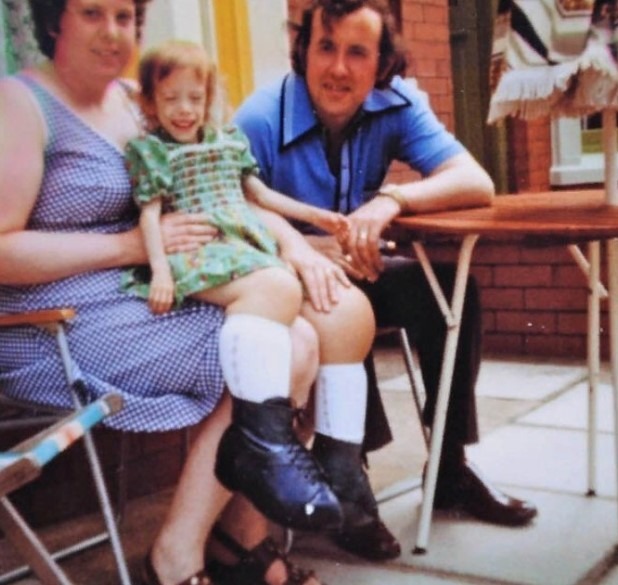
Globally, merely 120 individuals have been diagnosed with Proteus syndrome, including a vibrant and resilient woman from Britain named Mandy Sellars.
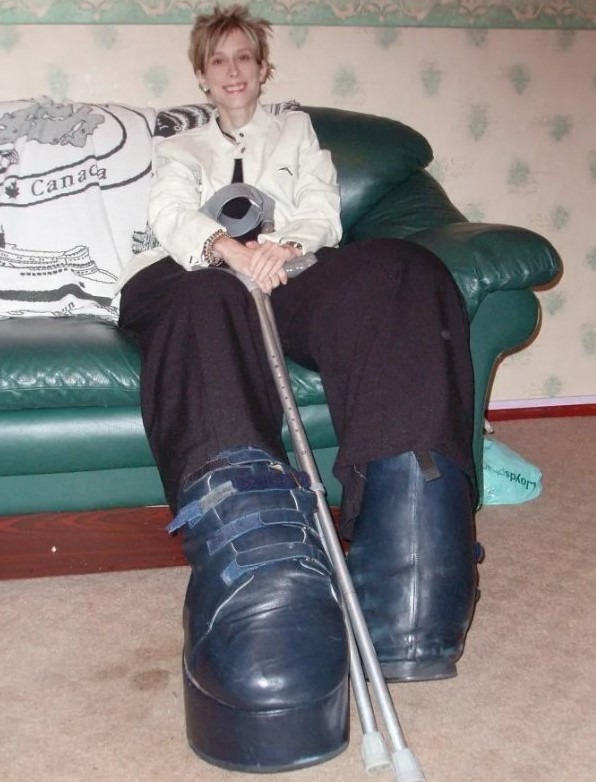
Upon her birth, Mandy appeared to be an ordinary baby—pink and wrinkled, albeit with slightly larger legs—a relatively common variation among infants. However, as she grew, her legs began to significantly exceed the dimensions of the rest of her body. By the age of two, it became apparent that her condition was anything but typical. Alarmed, medical professionals forecast dire outcomes for her survival. Despite numerous visits to various medical facilities by her devoted parents, no effective treatment was discovered. Nonetheless, they fostered an environment that allowed Mandy to remain unaware of her differences from other children until she reached her teenage years.
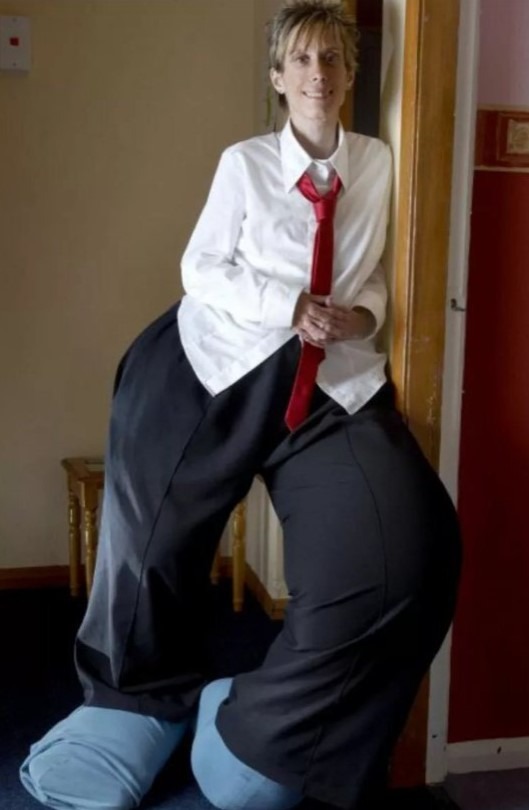
At 19, Mandy resolved that she did not want to be a burden to her family any longer. She relocated, pursued a degree in psychology, and adapted to living independently in her apartment, using a wheelchair for mobility. While her family remains supportive and ready to assist when needed, Mandy manages her everyday responsibilities autonomously. Unfortunately, Proteus syndrome tends to escalate over time. By the age of 28, Mandy faced a severe thrombosis that resulted in paralysis. It took her two months to regain her ability to move.
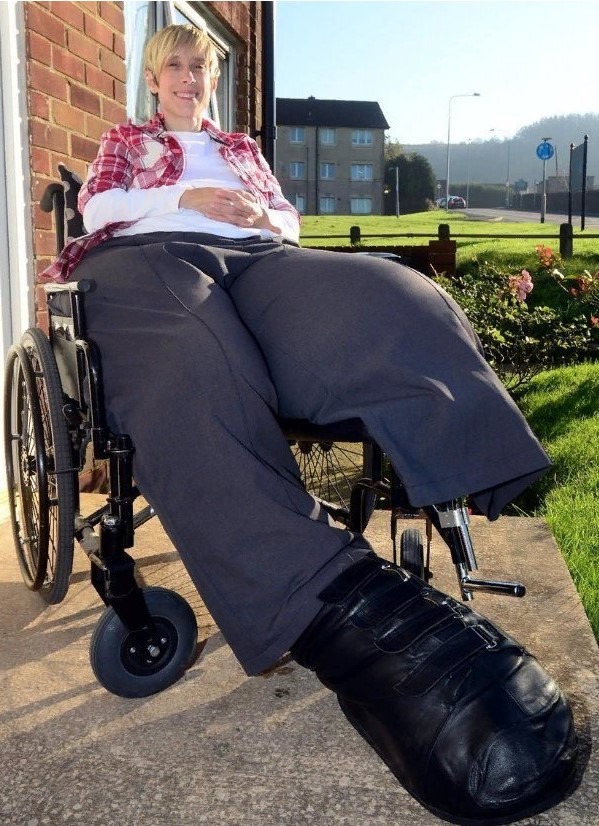
The producers of a series provided funding for her travel to the United States, where she consulted notable orthopedic surgeon William Ertl and prosthetic specialist Kevin Carroll. Upon examination, it was determined that only a portion of her left leg required amputation. Two years later, her leg began to regrow to its previous size, damaging the prosthetic. Mandy’s treatment is ongoing, and if doctors can halt the growth, it would represent a significant advancement in medical science.
Conclusion: Mandy Sellars’ story exemplifies resilience in the face of extraordinary challenges posed by Proteus syndrome. Though she navigates a path filled with adversities, her determination to lead an independent life and continue her treatment journey highlights the importance of awareness and research in addressing rare conditions.