I once held the belief that family was defined by birth ties. It seemed to me it was all about shared genetics, a common surname, and familiar faces captured in old photographs. However, I have since learned that family is defined by the ones who remain when everything else crumbles.
This understanding stems from my own upbringing without a traditional family structure.
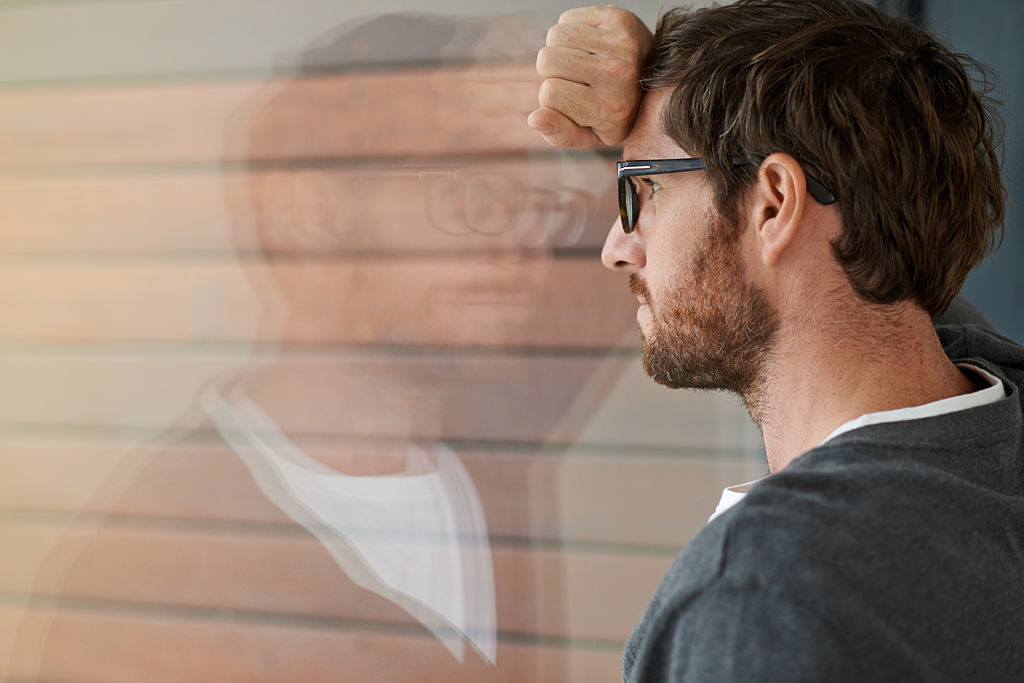
I spent my formative years in an orphanage, characterized by its dull walls, metal beds, and forgotten birthdays. It became apparent to me early on that I should not expect anything from anyone; love was fleeting, and people often departed. That was the truth of life.
Except for Nora.
We bonded as children, both cast into the system due to different adversities. She was fiercely protective, sharp-witted, and unwaveringly loyal. During my sleepless nights, she would sit by my side, sharing jokes to bring laughter. When faced with bullies, she stood in my defense like a fortress.
“We’re a team,” she would declare. “Together, we can face anything.”
Even after we grew up and settled in separate cities, that connection never faded. Nora was the one person who understood me completely. She attended my wedding, and I was by her side when she learned she was expecting a child.
She never revealed the identity of the father. Just once, she softly mentioned, “He won’t be involved. He’s… not here anymore.”
Twelve years ago, the phone rang in the early morning light. It was the hospital.
By the end of the call, my legs had already crumpled beneath me.
A car accident. Instant death. No suffering.
Her son, however, lived on.
I drove for what felt like an eternity, urging the wheel with such force that my fingers began to lose sensation.
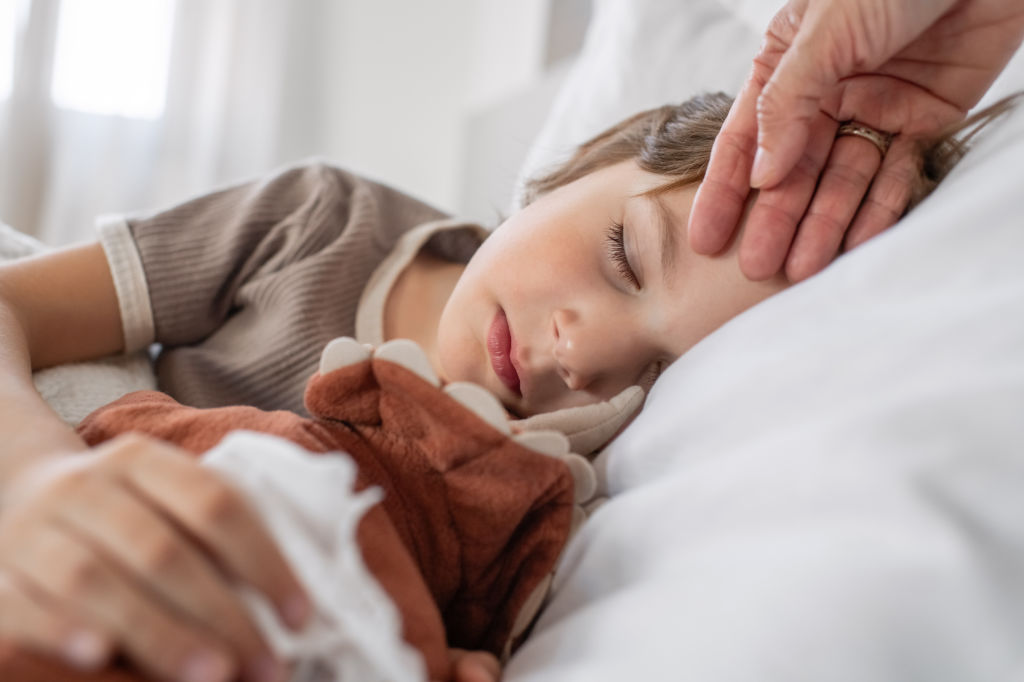
When I arrived at the hospital, I found Leo sitting on a bed, just two years old, with bright red hair and eyes wide with confusion. He was calm, not crying but waiting for his mother to return. But she never would.
No family waited for him. No grandparents. No one else.
I can still recall the sensation of his tiny hand in mine, an assurance resonating deep within me—something I had never experienced before.
On that very day, I signed the adoption papers.
People cautioned that I was moving too fast, that I should take time to reflect.
But I was already aware of what it felt like to be unwanted.
I would not let Leo endure that same fate.
The initial years proved to be challenging. He often woke up, calling for his mother. I would sleep on the floor next to his bed, and there were moments when we both cried. Gradually, though, the ache began to subside.
We created our own rituals: pancake breakfasts on Sundays, bedtime stories, and hand-holding during crowded outings.
By the time he was three, he called me Dad.
A decade flashed by in what seemed like an instant.
Leo blossomed into a bright, gentle child. He was inquisitive, considerate, the type of boy who held doors for others and apologized without hesitation when someone bumped into him.
He became my entire universe.
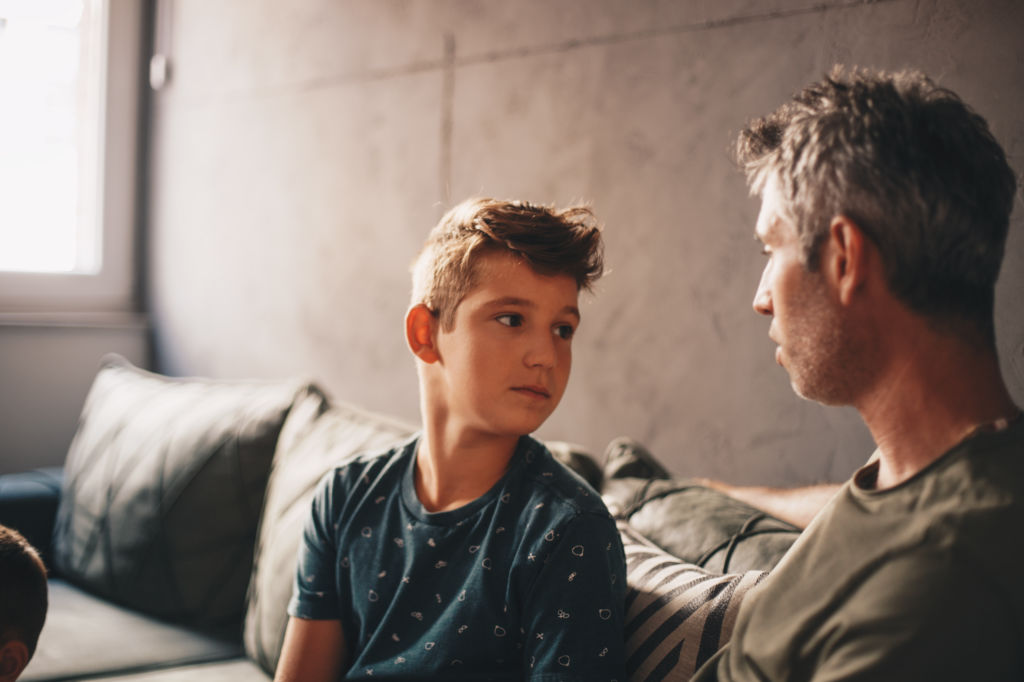
Then came Amelia.
Her warmth was genuine—free from forced niceness or false politeness. Joy came easily to her, and from the moment they met, Leo was enchanted. When Amelia moved in, she didn’t aim to fill any void; she merely integrated herself into our lives, assisted with homework, learned his culinary preferences, and cheered at his soccer matches.
As we exchanged vows, I thought—at last—this is the essence of safety.
That illusion shattered in the middle of the night.
Exhausted from work, I had fallen asleep early. I don’t recall dreaming; it was simply darkness.
Then came a shocking shake.
I awoke to find Amelia hovering above me, her expression pale, breaths coming ragged, and sweat beading at her hairline.
She held something in her hands.
“Oliver,” she whispered, voice trembling, “you must wake up. Right now.”
My heart raced within my chest.
“What’s the matter?”
Taking a seat on the edge of the bed, her hands quivered.
“I discovered something. Something Leo has kept from you. For years.”
I propped myself up.
“What are you saying?”
Her voice broke. “We can’t keep him. We need to let him go.”
Those words reverberated with confusion.
Then she handed me what she clutched—a small, tattered notebook with a folded envelope nestled inside.
My hands trembled as I peeled it open.
Inside were countless drawings. Pages filled with evolving childlike scrawls.
Images of Leo and me holding hands, me teaching him to ride a bike, and moments shared on the couch.
And then, written words.
I know Dad isn’t my real dad.
I once heard him crying.
I don’t resemble him.
I believe my actual father is still alive.
A tightness gripped my chest.
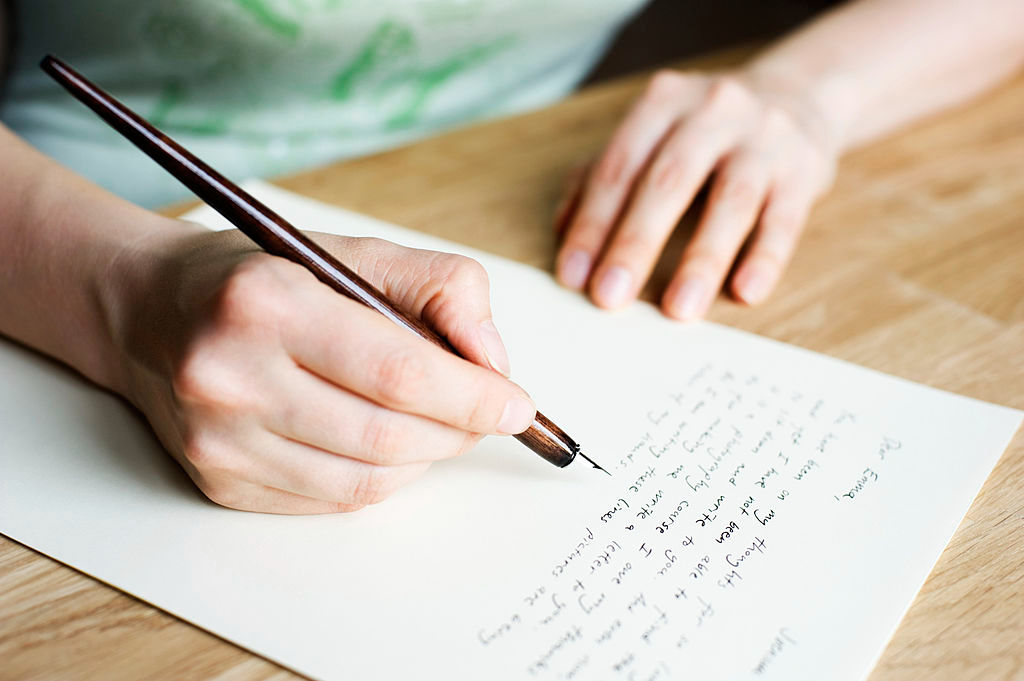
The envelope also contained a letter.
Leo’s letter.
Written with care, slowly.
If you discover this, it means I’m brave enough to disclose the truth.
I found Mom’s belongings. A note contained a name. I researched it.
He didn’t die.
I didn’t want to hurt you.
You chose me. Even when it wasn’t necessary.
If he ever comes around, I want you to understand—you are my real dad.
I struggled to inhale.
Tears blurred the ink until the words faded away.
Amelia was now in tears too. “I feared… I feared he was planning to leave. Or that someone would come to take him away.”
Without hesitation, I rose and walked directly to Leo’s room.

He was awake, perched on his bed, waiting for my arrival.
“I’m sorry,” he murmured before I could utter a single word. “I didn’t want to lose you.”
I enveloped him in my arms tightly, causing him to gasp.
“You could never lose me,” I reassured him, my voice cracking. “Never.”
That night, the truth that could have split us apart instead knit us closer together.
Because family isn’t defined by bloodlines.
It’s about those who are present.
And I have been.
Every single day.
Note: This narrative is a fictional piece inspired by actual occurrences. Names, characters, and specifics have been modified. Any resemblance to real individuals is coincidental. The author and publisher disclaim any liability for interpretations or dependencies regarding this account. All images are purely for illustration purposes.