A Bold Entry into French Politics
Emmanuel Macron made a remarkable debut in French politics in 2017, bringing with him a bold proposition for reform, unity, and renewal. At just 39 years of age, he emerged as the youngest president in France’s history, challenging conventional norms and establishing his centrist movement: La République En Marche!. His campaign skillfully blended progressive economic policies with a strong pro-European stance, appealing to both moderate conservatives and liberals eager for change. His meteoric rise represented a pivotal moment in French politics, disrupting the long-standing dominance of the Socialists and Republicans.
Modernizing the French Economy
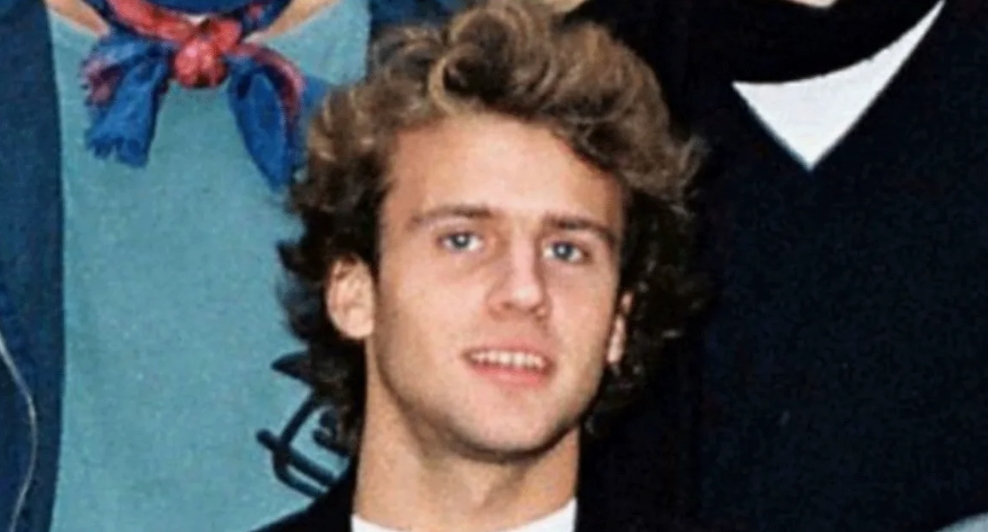
As president, Macron has dedicated his efforts to modernizing France’s economy, implementing labor reforms aimed at making hiring and firing more flexible, with the goal of reducing unemployment rates. This ambitious project seeks to position France as a more competitive player on the global stage without compromising social protections. However, these reforms have not been without controversies; mass protests, including the Yellow Vests movement, have challenged his administration over issues of inequality and the perceived gap between the government and ordinary citizens.
Commitment to European Integration
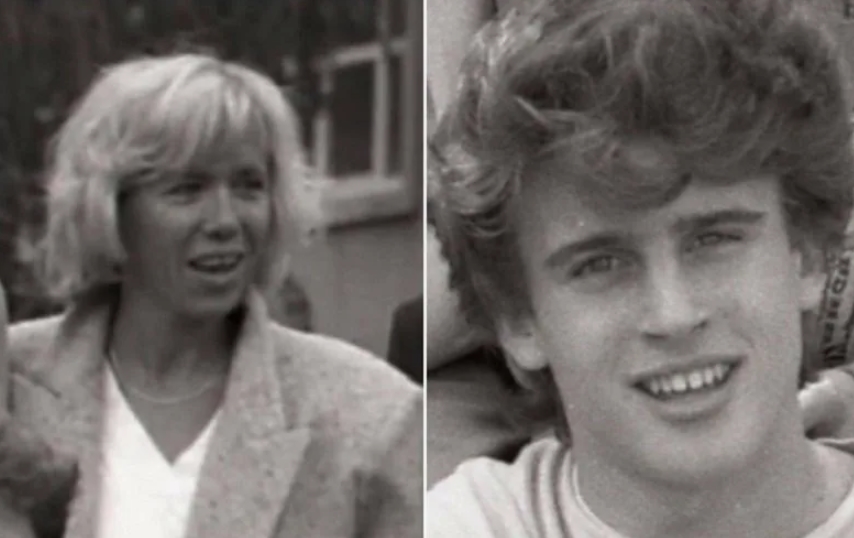
On the European front, Macron has emerged as a staunch advocate for the European Union, particularly during crises such as Brexit and the alarming rise of nationalism across the continent. He has championed deeper European integration, calling for a stronger common defense strategy, stringent financial regulations, and ambitious environmental policies. Macron believes that France must lead the way in shaping the future of Europe, often acting as a counterbalance to populist and isolationist movements gaining traction elsewhere.
An International Balancer
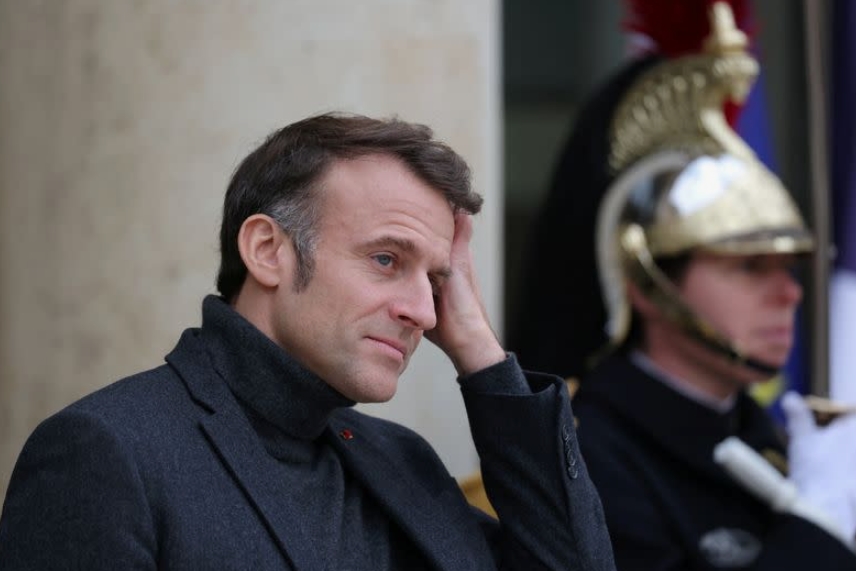
On the international stage, Macron has sought to strike a balance between diplomacy and resolve. He has maintained pragmatic relationships with major powers such as the United States and China, while also engaging with Russia during moments of tension. His mediation efforts in global crises, ranging from climate change to Middle Eastern conflicts, reflect his desire to keep France relevant and influential in an increasingly multipolar world.
Challenges Ahead
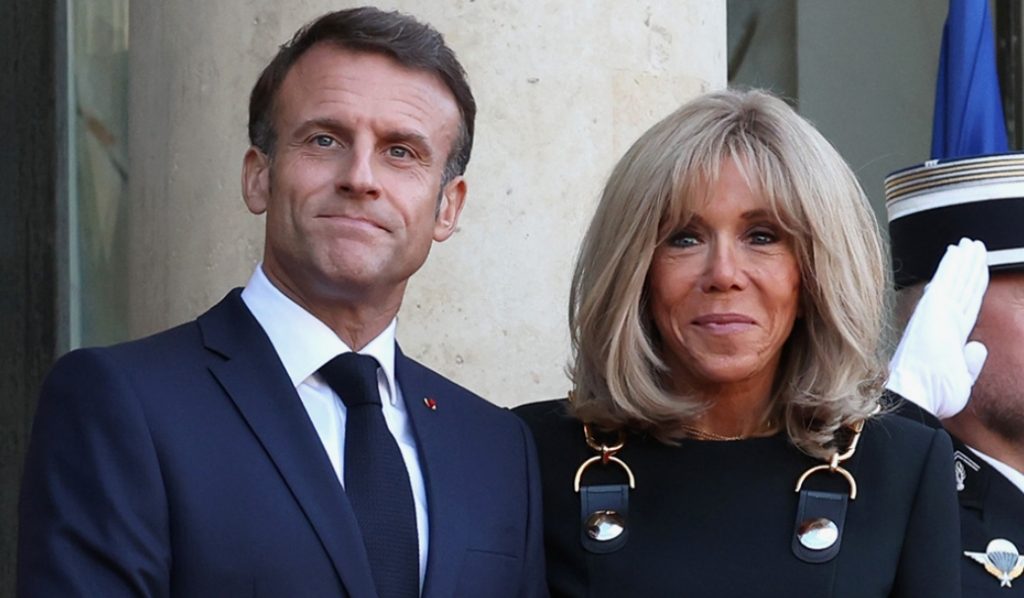
Despite facing numerous challenges — including internal tensions, a pandemic, and international crises — Emmanuel Macron continues to be a central figure in both French and European politics. His leadership style, which fuses technocratic efficiency with idealistic ambition, remains a topic of debate. Whether praised for his vision or criticized for his methods, Macron has undoubtedly redefined the French political landscape and remains a key player in charting the future of Europe.
Conclusion: Emmanuel Macron’s presidency signifies a transformative era for France, marked by efforts toward economic modernization and a steadfast commitment to European unity. As he navigates the complexities of domestic and international politics, his approach continues to evoke varied opinions, ensuring his place in history as a significant political leader.