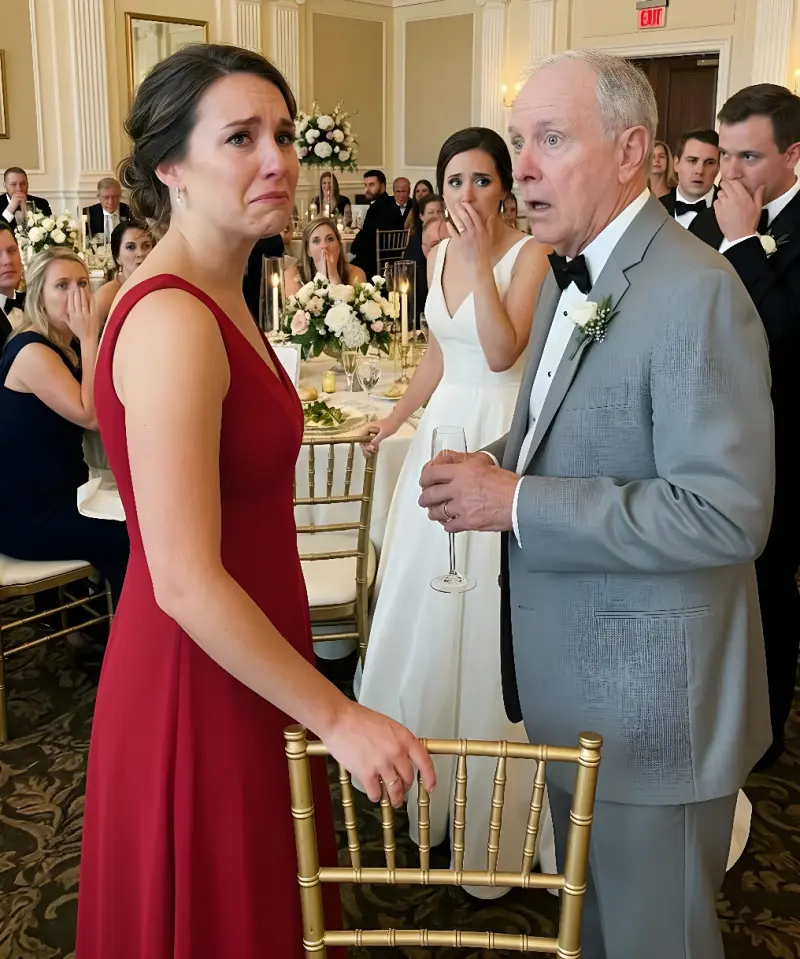
The sister I became a parent to
I raised my sister, Lily, alone. Not in the legal sense, and not with any formal title that made life easier, but in every way that truly mattered. When our mother died and our father slipped away into drinking, debt, and broken promises, I was twenty-two and Lily was only ten. Suddenly, I was the one making sure there was food in the house, clean clothes in the drawer, and someone to sit with her when she was scared, sick, or simply overwhelmed by a world that had changed too fast.
I signed school papers, argued with landlords, learned how to make every dollar last, and did my best to give her a childhood that still held love, even when it lacked stability. I was not just her sister. I was her protector, her planner, and often the only steady adult she could count on.
So when Lily’s wedding day finally arrived sixteen years later, I already knew exactly what she meant to me. I did not need anyone else to explain it.
A beautiful day that turned sharp
The wedding reception was held in a restored barn outside Asheville, North Carolina. White fabric draped the walls, string lights glowed overhead, and the polished wood floor reflected the warm summer evening. It was the kind of setting people later describe as magical, as if it had appeared effortlessly. Lily looked radiant. Her new husband, Ethan, seemed happily stunned, the way some grooms do when they realize their life has just changed forever.
I sat at the family table in a navy suit, trying to keep my emotions in check. Every time I looked at Lily, I felt proud enough to cry.
Then Ethan’s father stood up to give an unscheduled toast.
Richard Calloway was the kind of man who seemed built from polished confidence: silver hair, expensive watch, and a voice that suggested every room was fortunate to hear him speak. At first, his words were harmless enough—family, blessings, tradition, all the usual things people say when they want to sound warm and important at the same time.
Then his gaze settled on me.
“And of course,” he said with a smile, “we should all be grateful that Lily managed to rise above… unconventional beginnings.”
The room shifted. I felt it immediately, even before I fully understood what he meant. Richard kept going, speaking about structure, values, and proper guidance, as if some people were naturally worthy and others merely lucky to be tolerated. Then he added that weddings were about joining families, and that some relatives were better suited to support quietly than to act like they had helped build the day.
That was aimed at me.
It was meant for the woman who had helped raise the bride. For the sister who had paid part of the wedding costs when things ran short. For the person he had mistaken for staff only hours earlier because I was helping arrange centerpieces.
The moment everything changed
I stood up.
His hand tightened around the microphone, and the room fell into a tense silence. I looked directly at him and said, “Do you even know who I am?”
The color drained from his face.
- He had mocked the wrong person.
- He had spoken in front of a room full of people who understood the truth.
- And he had just insulted the woman who had practically raised the bride standing beside his son.
Ethan turned toward his father in shock. Lily stared at me, then at Richard, her expression shifting from confusion to hurt to realization. In that moment, the entire room seemed to understand what kind of man I had been to her all those years—not a distant relative, not a guest to be dismissed, but the person who had carried her through childhood when no one else would.
What happened next would change the atmosphere of the wedding forever, because some truths cannot be pushed back into silence once they have been spoken aloud.
In the end, the evening became about more than one cruel toast—it became a reminder that love, sacrifice, and family are often built in quiet ways, and the people who do the hardest work should never be treated as if they do not belong.