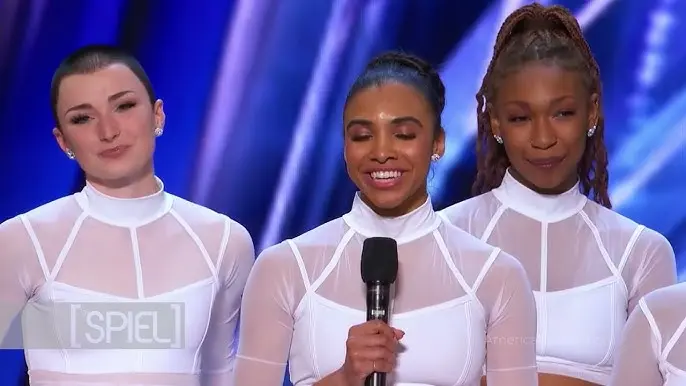
The Audition That Shook Ballet’s Old Rules
For a long time, professional ballet has been shaped by narrow expectations. Body shape, skin tone, and appearance have often acted as quiet gatekeepers, leaving many gifted dancers outside the spotlight. On the America’s Got Talent stage, however, Chicago’s Hiplet Ballerinas did more than challenge that system. They overturned it.
Before the first note played, the mood in the room was already tense. Simon Cowell did not hide his opinion. He admitted that ballet had never held his attention for long, even calling it dull. That remark reflected a view shared by many people who see the art form as traditional, distant, or stuck in old patterns.
Key Insight: The Hiplet Ballerinas arrived not to fit ballet’s old expectations, but to broaden what ballet could look like.
A Style Built on Contrast and Power
The group opened with the discipline and poise expected from classical ballet. Then the rhythm changed, and the entire atmosphere shifted with it. Suddenly, the performance became a striking blend of pointe work and hip-hop expression. Every movement carried precision, yet it also had a bold streetwise pulse.
The dancers combined the strict control of ballet with the loose rhythm and swagger of hip-hop. That balance made the routine feel fresh without losing its technical foundation. It was not simply an eye-catching dance number. It was also a cultural message, shaped by the elegance of the studio and the energy of Chicago’s streets.
“They brought together two worlds that are often kept apart, and made them feel like one.”
The result was both familiar and surprising. Classical technique remained present throughout, but it was reimagined through a modern lens. That contrast gave the performance its force.
- Traditional ballet provided structure and discipline.
- Hip-hop added rhythm, attitude, and movement freedom.
- Together, they created a style that felt bold and original.
Why the Performance Resonated
The crowd responded with clear excitement, and the judges were visibly stunned. In that moment, the Hiplet Ballerinas showed that ballet could connect with a contemporary audience without losing its artistic roots. They made the form feel lively, relevant, and accessible.
Just as important, the performance carried emotional weight. The dancers spoke about how painful it was to watch other young performers step away because they did not feel accepted. Their appearance on that stage became a statement of belonging. It suggested that talent should not be measured by one narrow standard.
Key Insight: Their message was larger than dance itself: uniqueness is not a weakness, but part of what makes art powerful.
- They challenged stereotypes about who belongs in ballet.
- They presented a new visual and artistic identity.
- They encouraged younger dancers to value their differences.
By claiming the spotlight on their own terms, they opened a wider conversation about the future of dance. In a world that often rewards sameness, they chose individuality instead. That choice gave the performance lasting impact.
A New Chapter for Ballet
The Hiplet Ballerinas did not just earn applause. They helped reshape how people think about ballet itself. Their performance showed that technical excellence and cultural expression can exist side by side. More than that, it proved that innovation can emerge when artists refuse to be boxed in.
For viewers, the message was clear: a masterpiece does not have to match a fixed mold. Sometimes, the most memorable art comes from those willing to rewrite the rules. The Hiplet Ballerinas did exactly that, and in doing so, they left a mark that still stands out.
In the end, their audition became more than a standout television moment. It became a reminder that dance evolves when it makes room for different voices, different bodies, and different forms of beauty. That is why their performance still matters: it expanded the stage, and with it, the future of ballet.