A Night That Changed Everything
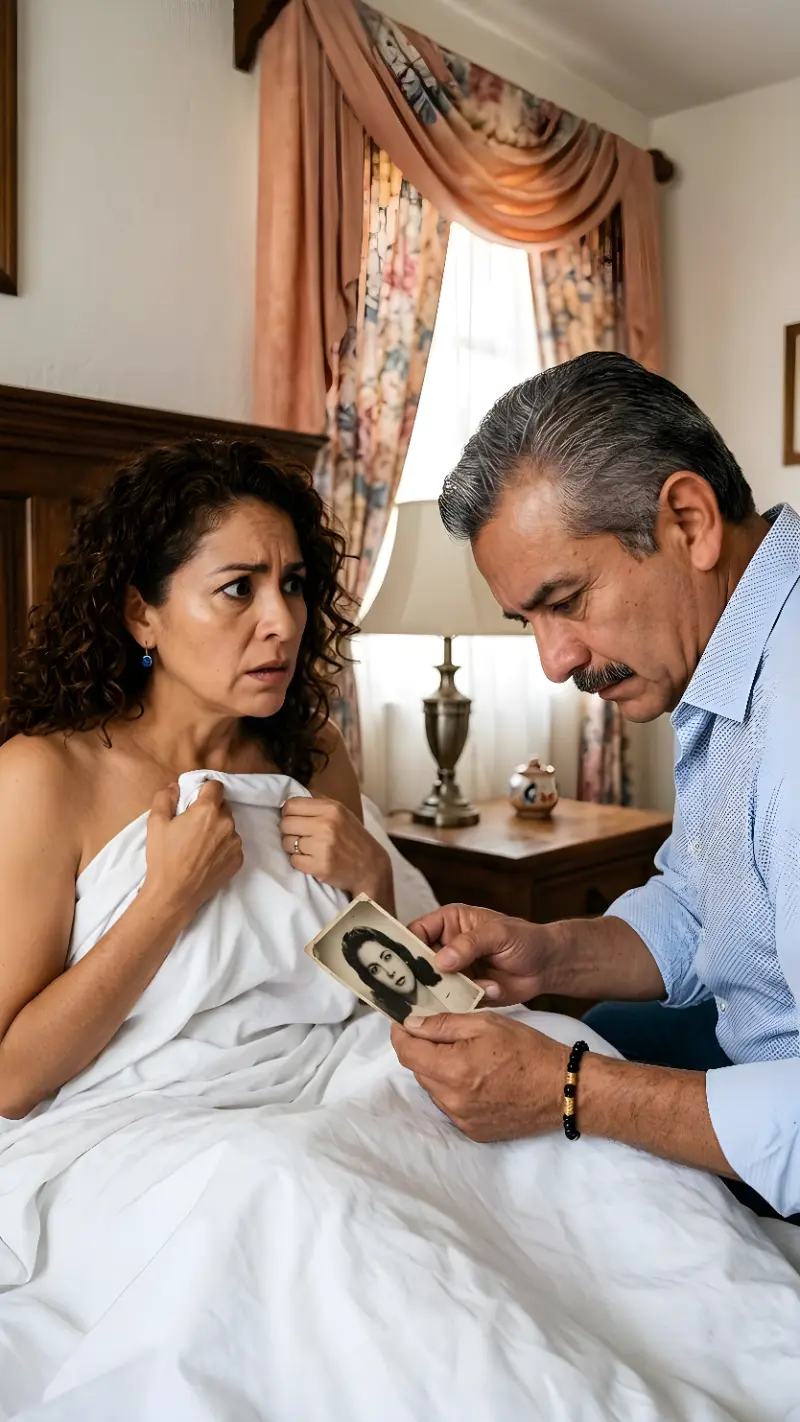
The gray light of morning slipped through the stained curtain of room 8 in a roadside motel outside Puebla. Ofelia Morales, 65 years old, opened her eyes and immediately felt the weight of her choices. The rough sheets carried the scent of cheap perfume, whiskey, and a heavy, unsettling guilt. At the edge of the bed, with his back turned to her, sat Arturo. His shirt was already buttoned, and his shoulders shook as if he had spent the entire night crying.
Ofelia had been a widow for three years. Before that, she had spent 37 years as the dutiful wife of Efraín Rivas, a man admired by everyone in the neighborhood: respected, punctual at Sunday mass, and coldly silent at home. When he died, people told her she should feel peace. But no one understood that a part of Ofelia had died inside that marriage, too. Her daughter, Marcela, only called when she wanted money or a favor. Ofelia was not looking for romance or late promises. She only wanted to feel alive for one night.
It was her friend Berta who pulled her out of her isolation. She brought Ofelia to an old dance hall in the center of the city. There, wearing carefully applied lipstick and a wine-colored blouse, Ofelia met Arturo. He was not handsome in the classic sense, but there was something tender and sad about him. He asked her to dance. He looked at her as if she truly mattered, with no pity and no rush. They drank brandy, walked through the Puebla zócalo, and eventually gave in to the need for warmth, companionship, and human closeness in that motel room.
The Photograph That Changed the Morning
But when she woke, the illusion shattered.
Ofelia sat up slowly, holding the sheet against her chest.
“What are you doing with that?” she asked, staring at the item Arturo held in trembling hands.
He turned toward her. His face was pale, strained, and marked by tears. In his fingers was an old photograph, yellowed with age.
Ofelia felt the air leave her lungs. It was a picture of herself at 25, wearing a simple white dress with one hand resting over her swollen belly, halfway hiding seven months of pregnancy at the San Francisco fair. That photograph had disappeared 40 years earlier, exactly two months before doctors told her in the hospital that her baby had been stillborn, giving her a sealed box she was never allowed to open.
“Where did you get that?” she demanded, her blood turning cold.
Arturo swallowed hard, looking at her as if he had seen a ghost. With clumsy hands, he pulled an old wallet from his pocket and dropped another photograph onto the wrinkled sheets. It showed a newborn wrapped in a blue blanket, wearing a hospital bracelet. Pinned to the fabric with tape were the same small old-gold earrings Ofelia had worn the night she gave birth — the earrings that had mysteriously vanished.
A Truth Hidden for Decades
Arturo broke down in tears.
- He said he had been handed that baby when he was 22 years old.
- His mother had worked as a nurse at that hospital.
- She confessed that a wealthy family had paid to make the child disappear.
He had spent six months searching for Ofelia. His mother had died a week earlier, but before passing away, she revealed the truth. The woman who had paid to take Ofelia’s son was still alive. According to her confession, Ofelia saw her every Sunday at mass. And when Ofelia heard the name, she would feel something even stronger than pain.
Nobody was prepared for the nightmare that was about to begin.
What had started as a desperate attempt to feel alive had become the first crack in a long-buried secret. In a single morning, Ofelia’s life was turned upside down, and the past she had mourned for decades suddenly demanded answers.