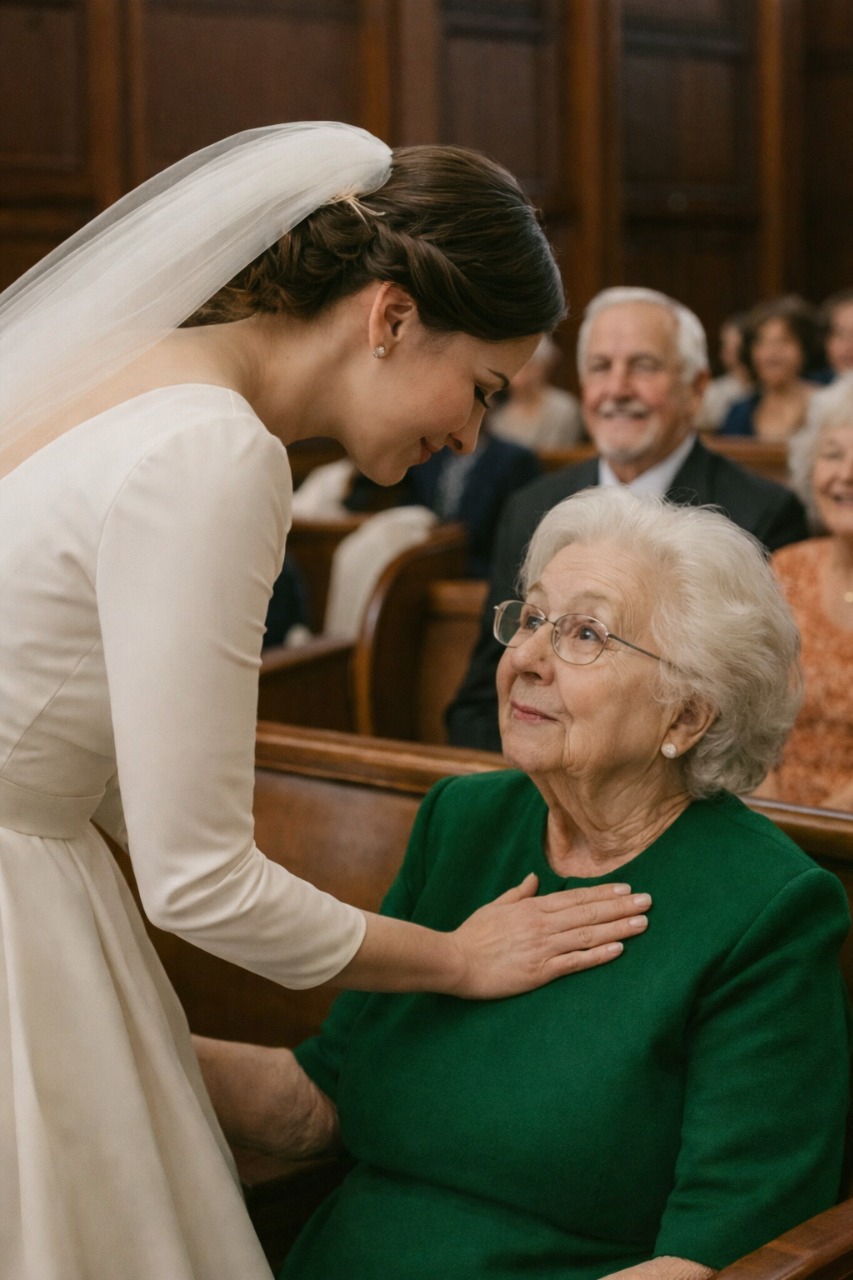
I dreaded the day my son would get married—not because I didn’t want him to be happy, but because I was afraid of how I would look standing beside him. My clothes were worn and out of date, and I knew the wedding would be filled with polished, well-dressed guests. Still, I couldn’t stay home. He was my only child, and I wouldn’t miss his big moment for anything.
I’m a simple shop assistant at a fruit and vegetable stand. The pay is modest, but I’ve always tried to carry myself with self-respect. I raised my son on my own, working long hours and stretching every coin. We never had luxury—yet we had honesty, routine, and a kind of pride that doesn’t come from money.
When my son told me he was in love and planned to marry a young woman from a wealthy family, my heart swelled. I was genuinely glad for him. At the same time, a quiet worry followed me everywhere: how could I contribute to a wedding like that when I was barely managing the basics?
Some joys arrive with a shadow of fear—not because they’re wrong, but because we’re afraid we won’t belong in them.
In the months leading up to the ceremony, I slept lightly and woke often. I worried about the costs, about the preparations, and about what it meant for my son to step into a new life. Yet one thought kept returning, sharper than the rest: what would I wear?
When I was young, I owned one good dress—a simple green one. It wasn’t fancy, but it had seen every milestone I could name. I wore it on days that mattered, when I needed to look “proper” even if my life was anything but easy. And as the wedding approached, I realized that—despite wishing for something new—I had nothing else suitable. So the old green dress it would be.
On the wedding day, I entered the church trying to keep my shoulders straight. Almost immediately, I noticed heads turning. People’s eyes moved from my face to my dress and back again, as if they were checking a detail that didn’t fit the picture.
Then the whispers began—quiet, but not quiet enough.
“Is that… the groom’s mother?”
“She couldn’t have found something more appropriate?”
“How embarrassing… her son is getting married, and she shows up like that?”
- I felt heat rise to my cheeks.
- My hands suddenly didn’t know where to rest.
- Every glance seemed to weigh more than it should.
Each comment landed like a small sting. I stood among sleek suits, glittering accessories, and confident smiles, feeling as if I’d wandered into a world where I didn’t speak the language. I tried to focus on the reason I was there: my son’s happiness. But the shame crept in anyway, telling me I was ruining the picture simply by existing inside it.
That’s when my future daughter-in-law walked toward me.
She looked radiant—tall, composed, and glowing in a white gown that clearly cost more than anything I’d ever owned. As she approached, my stomach tightened. I feared she would notice every frayed seam, every outdated detail, every sign of the life I’d lived. I braced myself for a polite smile that said, Thank you for coming while meaning, Please don’t stand too close.
But she didn’t stop at politeness. She stopped in front of me—fully, deliberately—so that others had to pause and watch.
And then she did something no one expected.
Instead of looking past me, she took my hands in hers and held them warmly, as if she was proud to be seen with me. She smiled—not the practiced kind, but the kind that reaches the eyes—and spoke clearly enough for those nearby to hear:
“You don’t need to feel embarrassed. This is the woman who raised the man I’m marrying. Today, I’m honored you’re here.”
The air around us changed. The murmurs thinned out, replaced by an awkward silence—then lowered gazes. A few people shifted uncomfortably, as if they suddenly realized how small their cruelty sounded inside a church.
My throat tightened. I tried to answer, but the words wouldn’t come right away. I only managed to squeeze her hands back, hoping she could understand everything I couldn’t say.
In that moment, I felt something I hadn’t felt since arriving: I belonged there. Not because my dress suddenly looked different, but because someone chose to see me for what I truly was—a mother who did her best.
As the ceremony continued, I sat a little straighter. The old green dress didn’t change, but the way I carried it did. And when my son looked over and smiled at me, I understood something simple and powerful: love isn’t measured by fabric, labels, or appearances—it’s measured by how we treat people when it matters most.
Conclusion: I went to my son’s wedding afraid I would be judged for my worn-out clothes. I was. But my future daughter-in-law’s kindness reminded everyone—including me—that dignity isn’t something you buy. It’s something you live, and something others can choose to honor.